What to Pack for a Wildlife Photography Tour: Lenses, Bodies and Rain Gear
By Lior Berman · · 2 min read
The short answer: one long telephoto zoom, one second lens for the shots it can't take, rain protection, and twice the batteries and memory cards you think you need.
Most photographers pack too much. On a boat, at a hide or on a night trail, the lens on your camera is the only one that matters, because animals don't wait for lens changes. This is the list I send photographers before every trip: what to bring for each tour, what to leave at home and how to keep it all dry in the tropics.
Lenses: one long zoom does most of the work
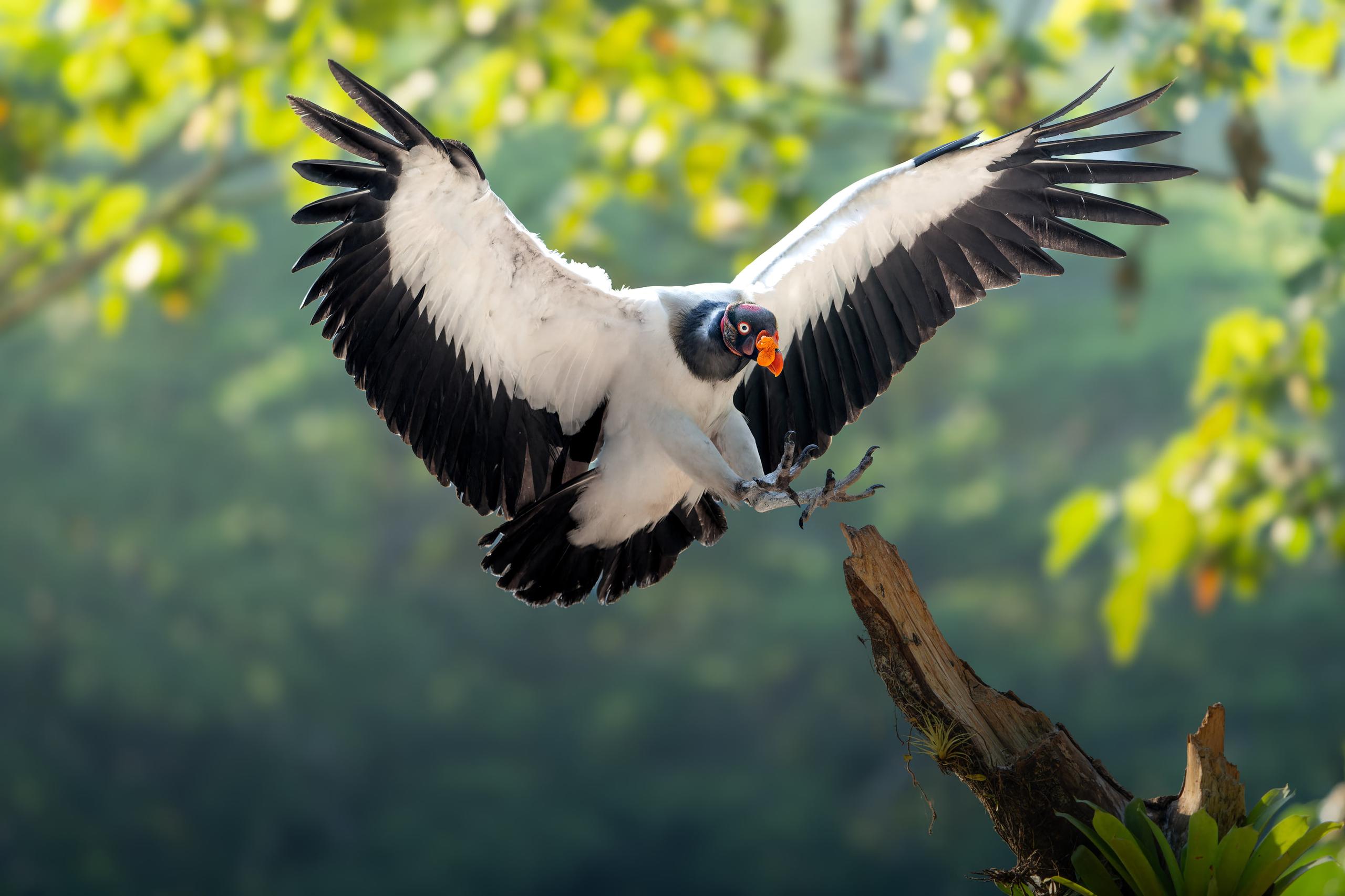
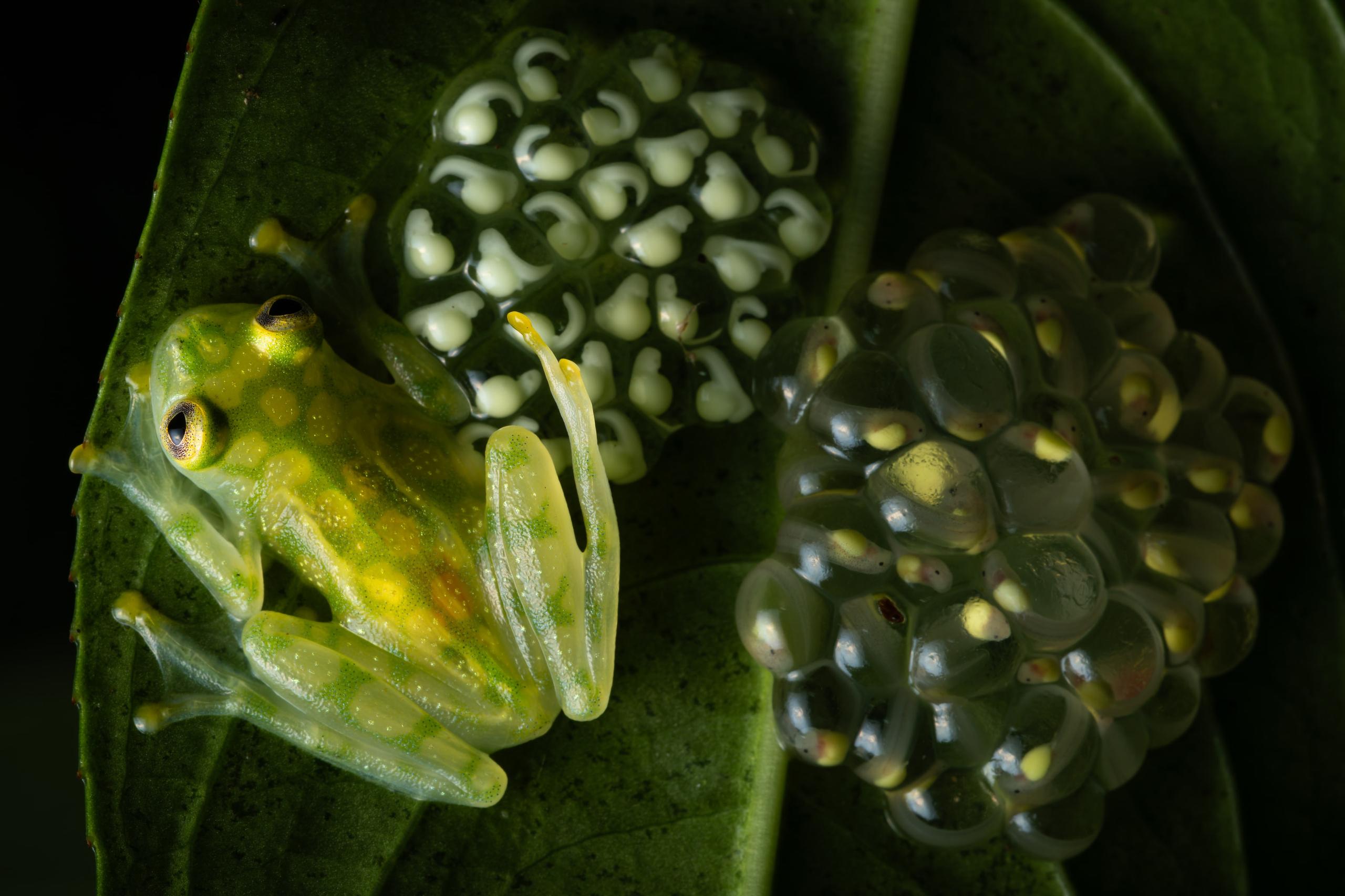
For mammals and birds, a telephoto zoom in the 100-400mm to 200-600mm range covers almost everything. A zoom lets you go from a whole animal on a riverbank to a portrait without moving, and it is light enough to hand-hold for a full morning. The second lens covers what the long one can't: a 24-70mm for the landscape and the story around the animal, a 70-200mm for close birds at feeders, or a macro for frogs.
What to bring for each tour
| Tour | Main lens | Second | Don't forget |
|---|---|---|---|
| Pantanal jaguars | 100-400mm zoom | 24-70mm for the river and the boat | A jacket for cold-front mornings |
| Costa Rica birds | 150-600mm class zoom | 70-200mm or 100-400mm | Tripod and gimbal for long hide sessions |
| Ecuador birds | 100-500mm or 200-600mm zoom | 70-200mm | Warm layers for the high Andes |
| Osa to cloud forest | 100-500mm class zoom | 90-105mm macro | Rain covers for coast and cloud forest |
| Bocas del Toro frogs | 90-105mm macro | Flash with a large diffuser | Knee pads or a ground sheet |
| Costa Rica herping | 90-105mm macro | Off-camera flash with diffuser | Headlamp with a red mode |
For hummingbirds you don't need flash anymore: the fast electronic shutter of a recent mirrorless body freezes their wings in natural light. See the Ecuador hummingbird guide for the settings.
The camera body
Three things matter more than megapixels. Animal or bird-eye autofocus that tracks a subject against busy leaves. Clean files at high ISO, because rainforest and cloud forest mornings are dark. And weather sealing, because it will rain. I shoot a Sony a1, but any recent mirrorless body from Sony, Canon or Nikon with animal tracking will do the job. If you own a second body, bring it as a backup: a broken camera on day two shouldn't end your trip.
Keeping it dry in the tropics
Humidity is a bigger risk than rain. A rain cover keeps the camera shooting in a downpour, and a dry bag protects everything else on the boat and the trail. At night, store the gear in a sealed bag with silica gel instead of leaving it out in a humid room. When you walk out of an air-conditioned room into the heat, the lens fogs over: leave the camera in its bag for twenty minutes first, so you are ready when the first animal appears.
The checklist
Camera
- Weather-sealed mirrorless body with animal or bird-eye autofocus
- A second body, if you own one, as a backup
- Long telephoto zoom (100-400mm to 200-600mm)
- Second lens: a shorter zoom, or a macro for frog and night tours
- Lens hoods, to keep rain and glare off the front element
Power and storage
- Twice the batteries you think you need, and the charger
- Twice the memory cards you think you need
- Laptop or a portable drive to back up every night
- Travel adapter and a small power strip for shared lodge outlets
Rain and humidity
- Rain cover for the camera and long lens
- Dry bag for the boat and the trail
- Microfibre cloths, several
- Silica gel packs or a sealed bag for the gear at night
Support and light
- Tripod and gimbal head, only for hide-based tours
- Flash with a diffuser for macro and night work
- Headlamp with a red mode
You
- Rain jacket and a warm layer, even in the tropics
- Clothes in neutral greens and browns
- Boots you can clean between sites
- Insect repellent and sun protection
What to leave at home
A bag full of primes. Every lens change is a moment you miss. Two zooms beat five primes.
A tripod on boat and trail tours. On the Pantanal boat and on forest trails you shoot handheld. Bring one only for hide-based tours.
Bright clothes. White and bright colours stand out to animals. Neutral greens and browns blend in.
For the gear I actually used on a trip, see the Pantanal trip report and the Costa Rica bird photography guide.
Questions photographers ask
- What lens do I need for a wildlife photography tour?
- A long telephoto zoom does most of the work: a 100-400mm for jaguars from a boat, and a 150-600mm or 200-600mm class zoom for birds. Frog and night tours are the exception, where a 90-105mm macro is the main lens.
- Do I need a 600mm prime?
- No. Modern 100-500mm and 200-600mm zooms are sharp enough for large prints, lighter to carry all day and easier to frame with. A prime helps in very low light but it is not required on any of my tours.
- Should I bring a tripod?
- Only for tours built around hides and feeders, such as the Costa Rica and Ecuador bird tours, where a tripod and gimbal head save your arms during long sessions. On a boat or a trail you shoot handheld.
- How do I keep my camera dry in the rainforest?
- Use a rain cover on the camera, keep the gear in a dry bag between sessions and dry it with microfibre cloths. At night, store it in a sealed bag with silica gel. When you leave an air-conditioned room, let the camera warm up in its bag so the lens does not fog.
- Can I fly with all my camera gear in carry-on?
- Carry the camera, lenses and every spare lithium battery in the cabin: airlines don't allow spare lithium batteries in checked luggage. Check your airline's carry-on weight limit, especially on small domestic flights, which are often stricter.
The tours
Not sure what to bring? Ask me.
Six tours in 2027, six photographers at most on each. Message me before your trip and I'll tell you what to bring for that one.
See 2027 tours