|
∗
|
|
WELCOME
|
Welcome. Really glad you're here.
|
|
A quick word on what this is. I've spent years photographing jaguars, macaws, and a lot in between across Costa Rica and beyond, and this is where I share it honestly, trip recaps as they actually happened, technique I'm still refining, and the gear that's earned its place in my bag. Just what I'd tell a friend over coffee.
|
|
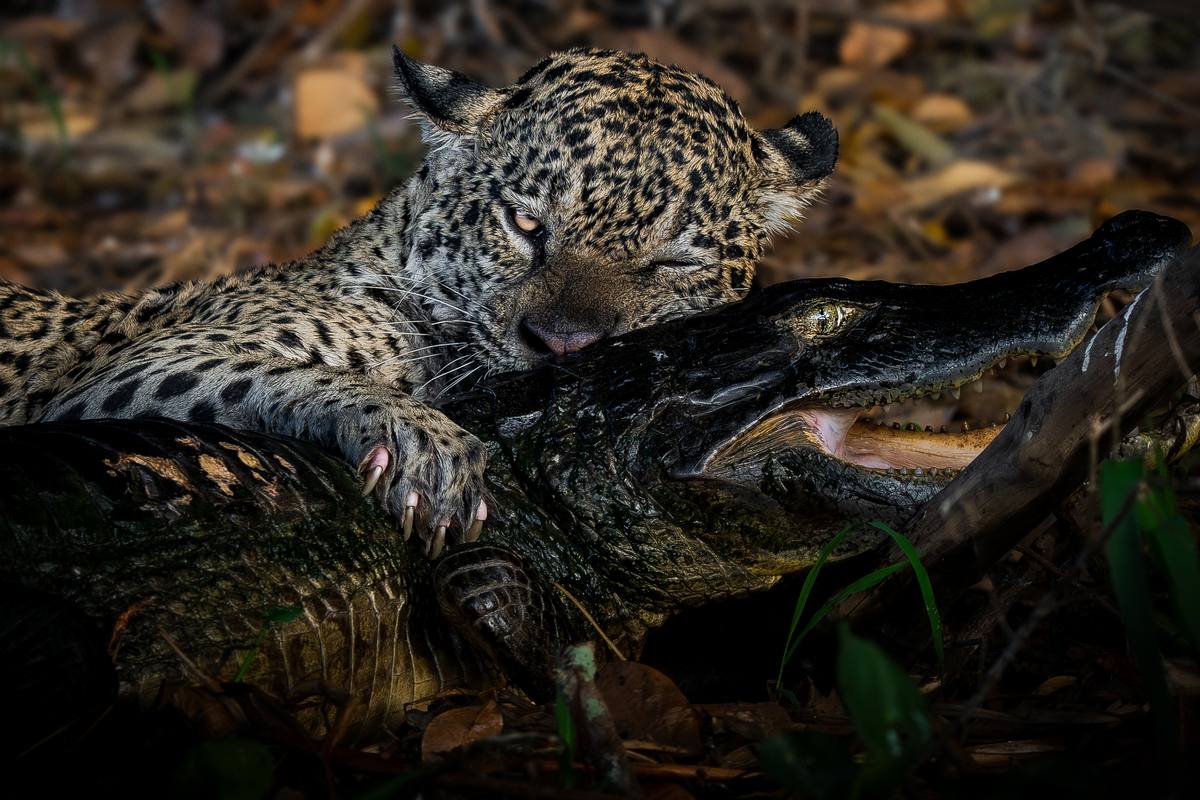
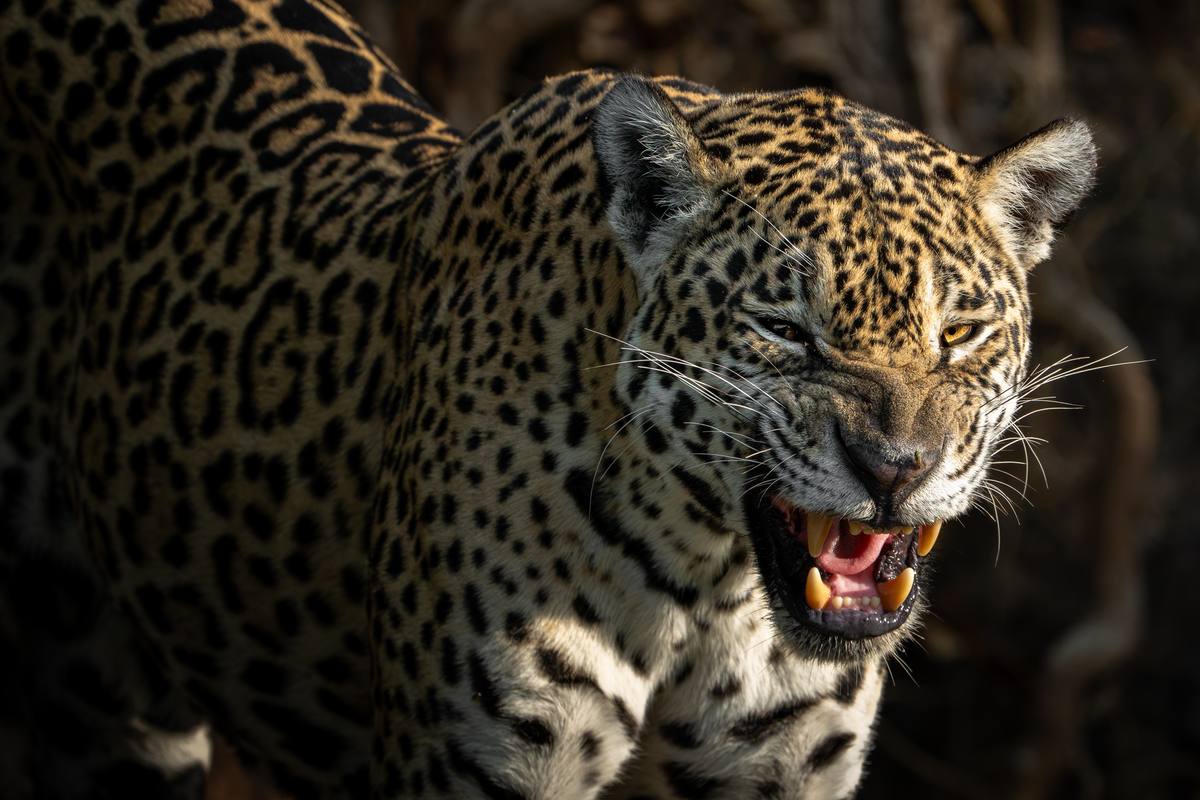
First up: eight days on the rivers of the Pantanal, sixteen individual jaguars, and the wetland that makes sightings like these possible at all.
|
Sincerely,
Lior Berman Fernandez
Founder and Tour Leader
|
|
|
8 DAYS · CUIABÁ TO PORTO JOFRE
|
Twenty-five sightings. Sixteen jaguars. One week on the rivers of the Pantanal.
|
|
The land that made it possible, how the eight days actually ran, and what stayed in the bag the whole time.
|
|
|
|
|
25
JAGUAR SIGHTINGS
|
16
INDIVIDUALS
|
8
DAYS IN THE FIELD
|
|
|
THE PLACE
|
Why this wetland holds more jaguars than anywhere else on Earth
|
|
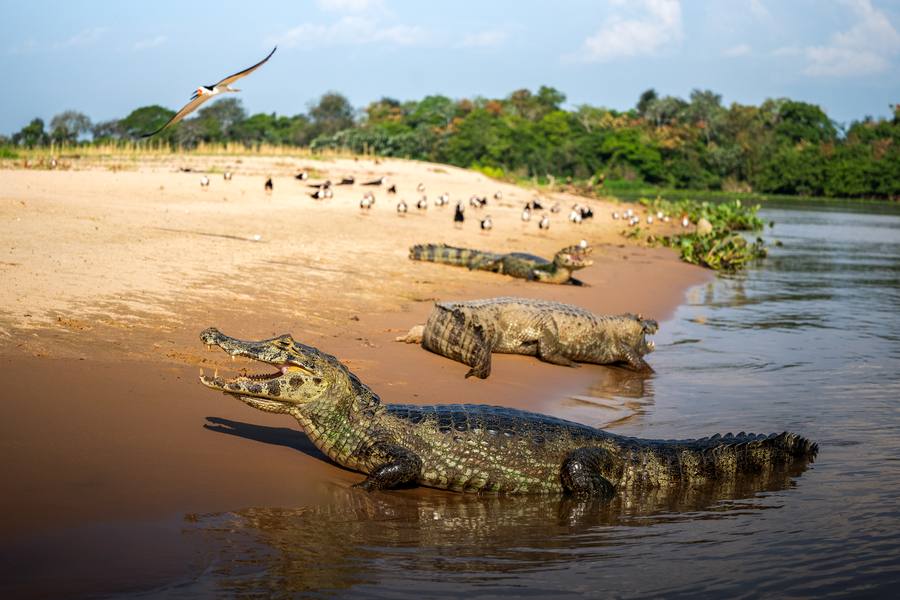
The Pantanal is the largest tropical wetland on the planet, an alluvial basin roughly the size of Washington state, cut by the Paraguay River and fed by highland tributaries pouring off the Planalto to the east. Every year the basin floods, then drains, then floods again, a slow seasonal pulse that has shaped this land for millions of years and now pushes fish, caiman, and everything that eats them into a shrinking network of rivers and lagoons as the dry season sets in.
|
|
People have worked this floodplain a long time. The Guató, canoe-builders who moved through the flooded forest more by water than by land, were here long before the cattle arrived. Portuguese settlers began running livestock across the higher ground in the 18th century, and much of the Pantanal still works as it did then, vast and sparsely fenced, cattle grazing alongside capybara and caiman rather than displacing them. It's that same low-intensity land use, more than any protection on paper, that kept the region wild enough to become the last place on Earth with anywhere near this concentration of jaguars. Unlike the shy, forest-bound cats of the Amazon, Pantanal jaguars have grown used to boat traffic along a handful of rivers, and that, as much as the caiman in the millions, is what makes eye-level, unhurried sightings like the ones on this trip possible at all.
|
|
|
|
THE ROUTE
|
How eight days actually break down
|
|
We fly into Cuiabá, then work our way down through Chapada dos Guimarães and Pousada Piuval before basing out of Porto Jofre, the fishing outpost near where the Cuiabá and Piquiri rivers meet, right at the heart of the Pantanal's jaguar country. Mornings and afternoons there are spent on the boat, working the channels of Corixo Negro and Três Irmãos, before the drive back to Cuiabá for departure. Groups stay small by design, six travelers at most, run alongside our local partners Branco and Raquel, whose knowledge of this river system is the real reason a week here goes the way it does.
|
|
|
|
|
|
THE STORY
|
A week that kept building
|
|
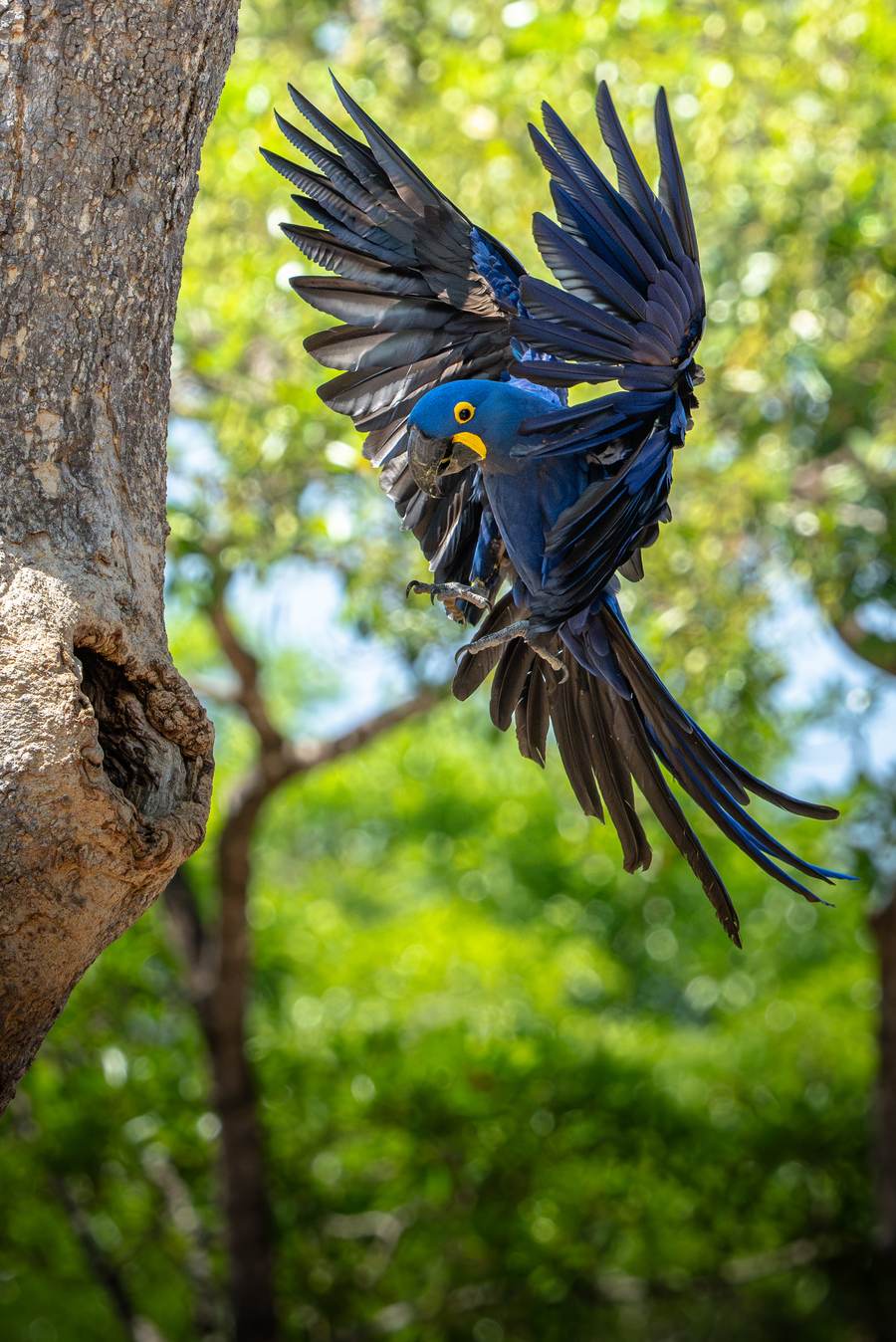
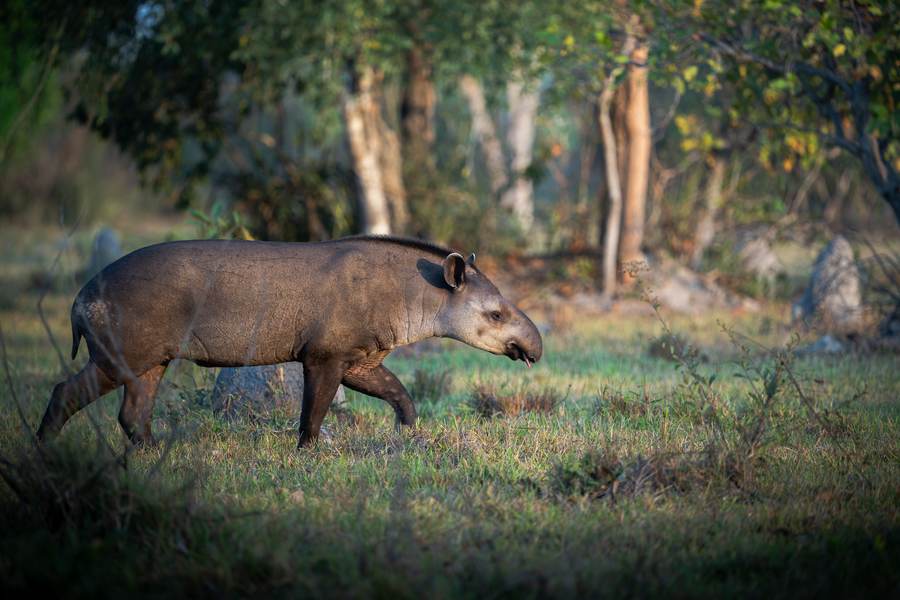
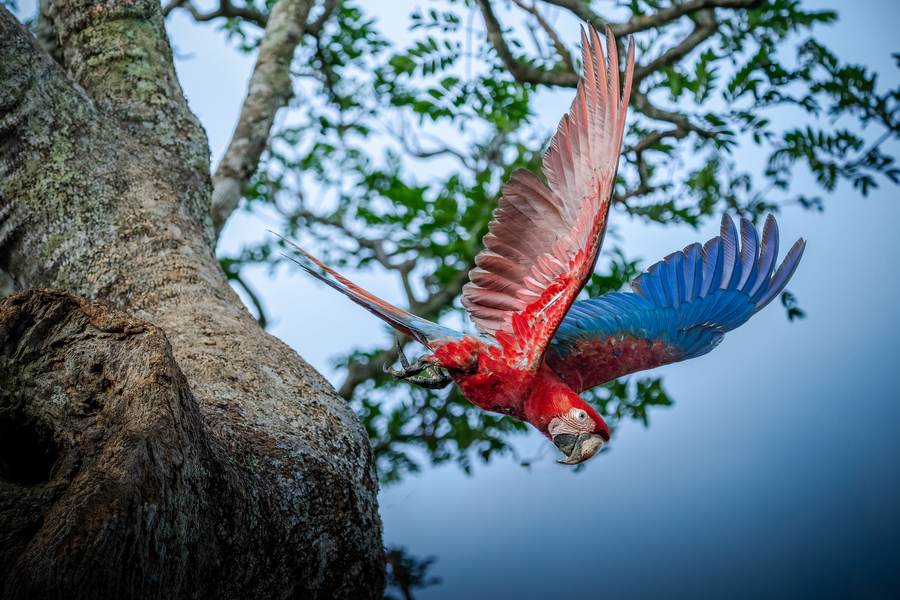
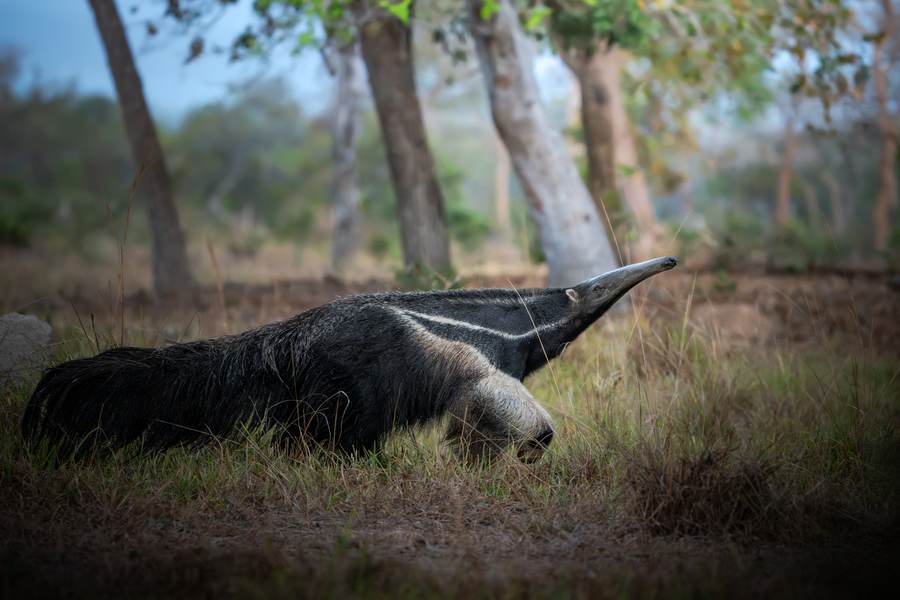
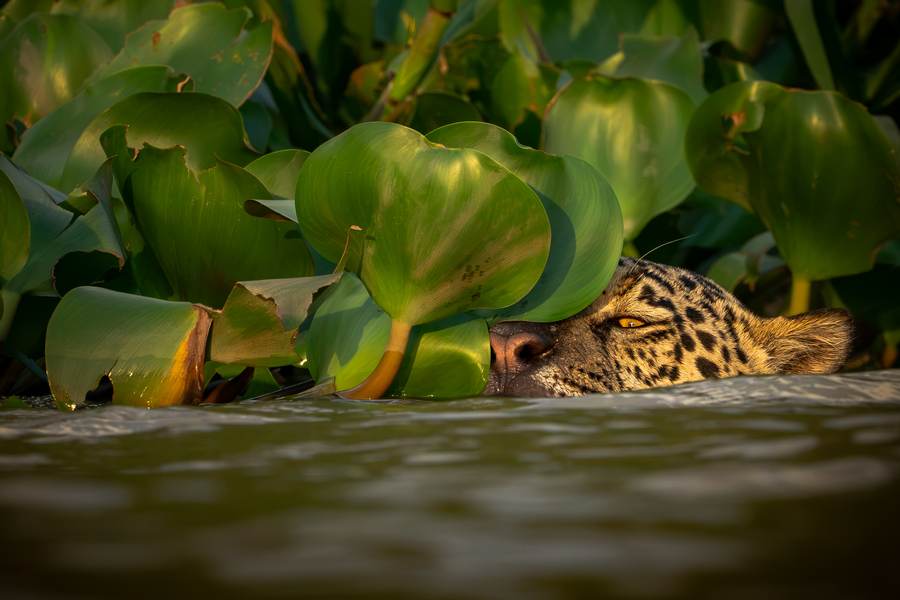
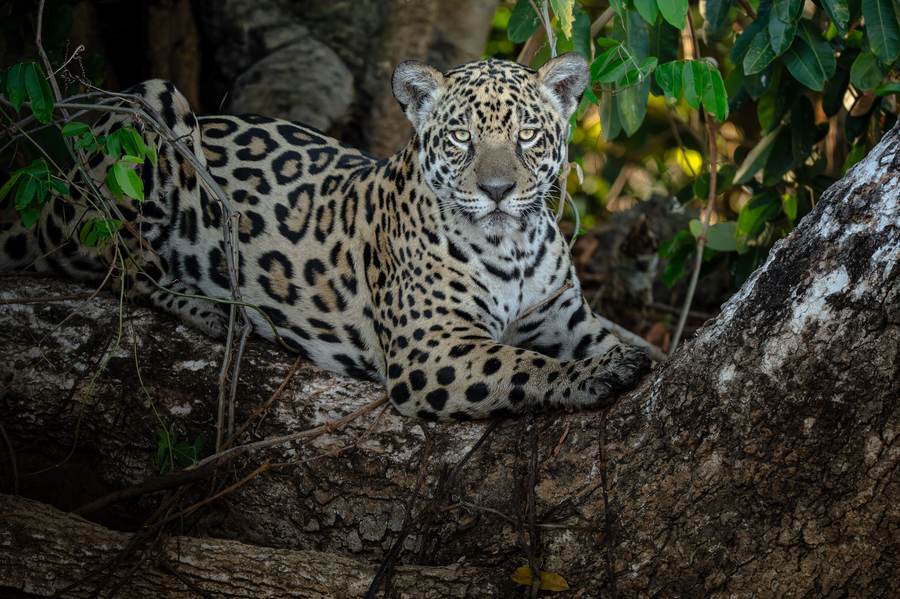
We opened at Chapada dos Guimarães, the sandstone plateau above the wetlands, staking out water holes for macaws and motmots before dropping down into the Pantanal itself. The first mornings at Pousada Piuval set the tone: giant anteaters working the grassland, a tapir crossing at dusk, a pair of Hyacinth Macaws tending an active nest. Then, late on the third day, on a quiet stretch of Corixo Negro, the engine cut and the boat went still. A jaguar was on the bank, unhurried, watching us as closely as we watched him.
|
|
|
|
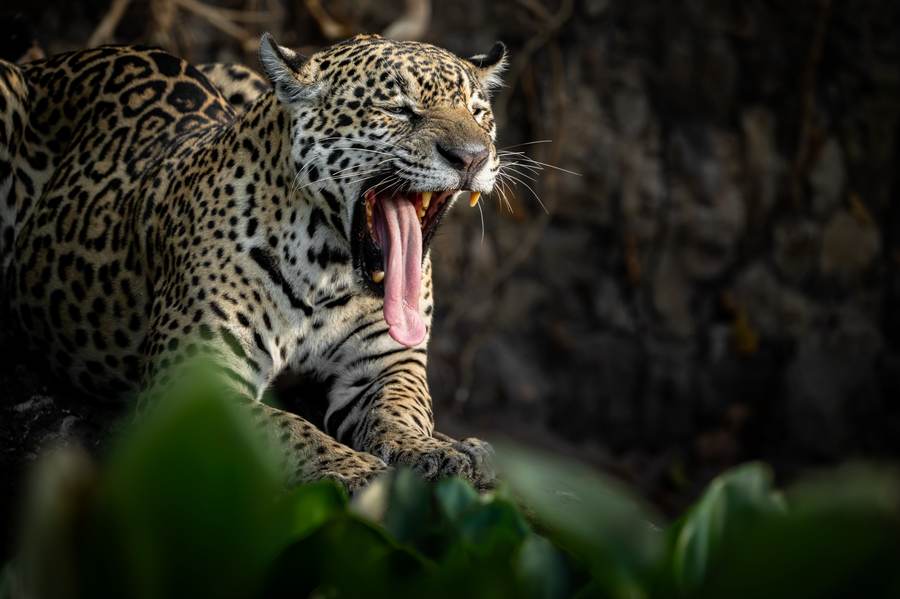
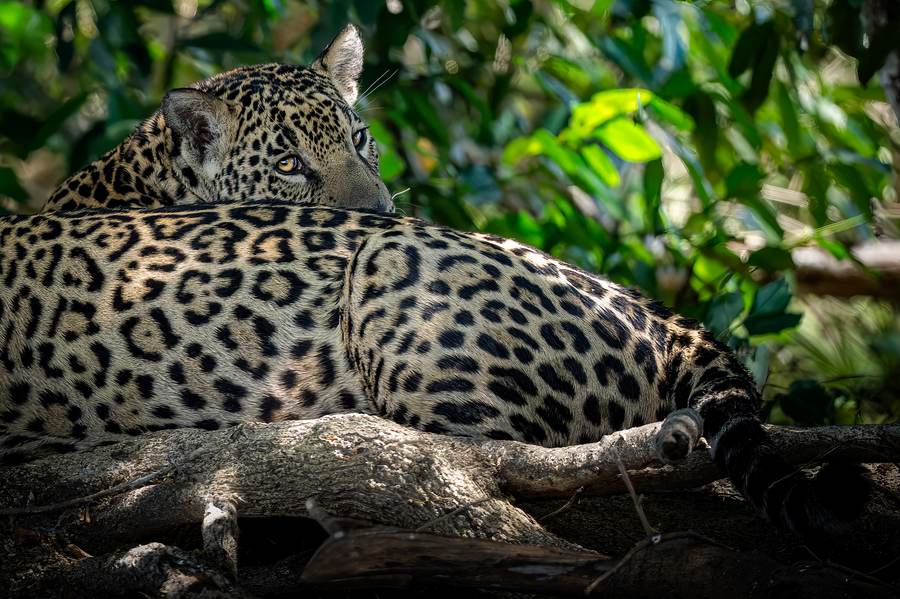
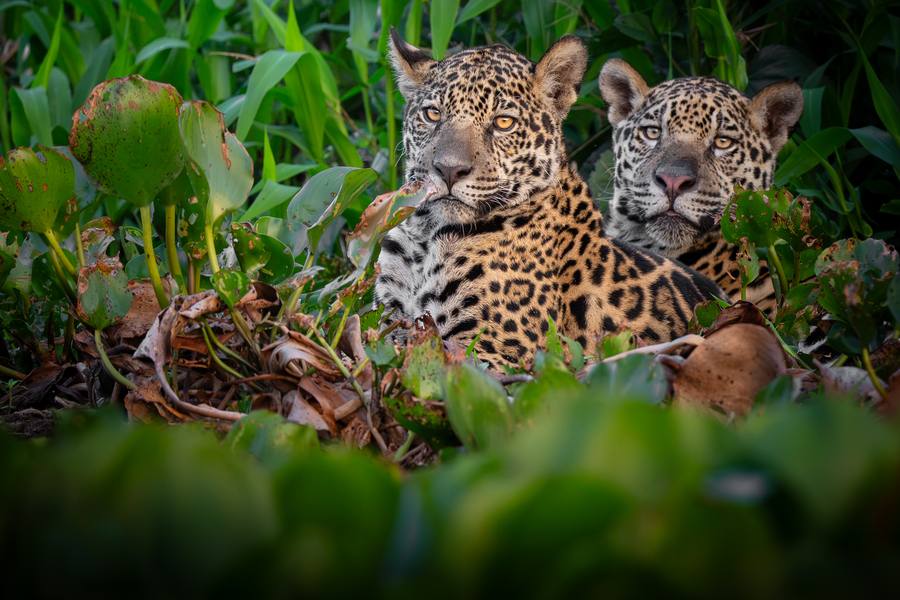
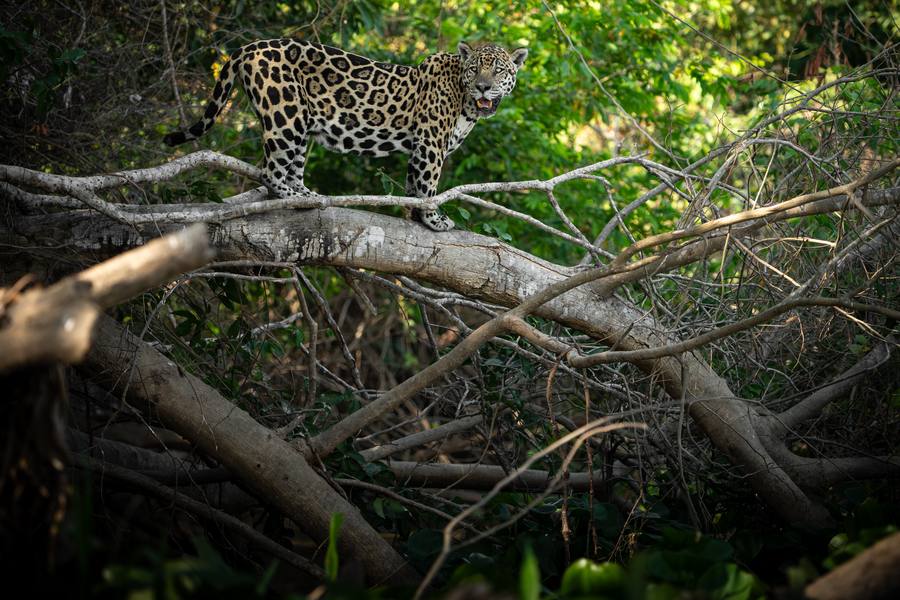
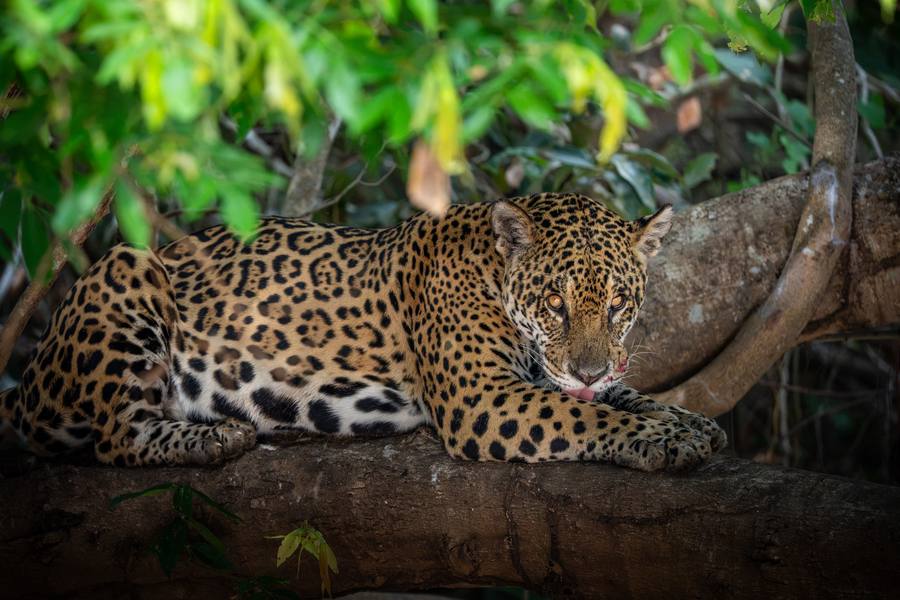
From there, the sightings never really let up. Some mornings brought three jaguars before lunch. One afternoon gave us four in a single day, including a mating pair, a piece of behavior most guides in the Pantanal go years without witnessing. Every session felt like it was building toward the next one.
|
|
|
|
|
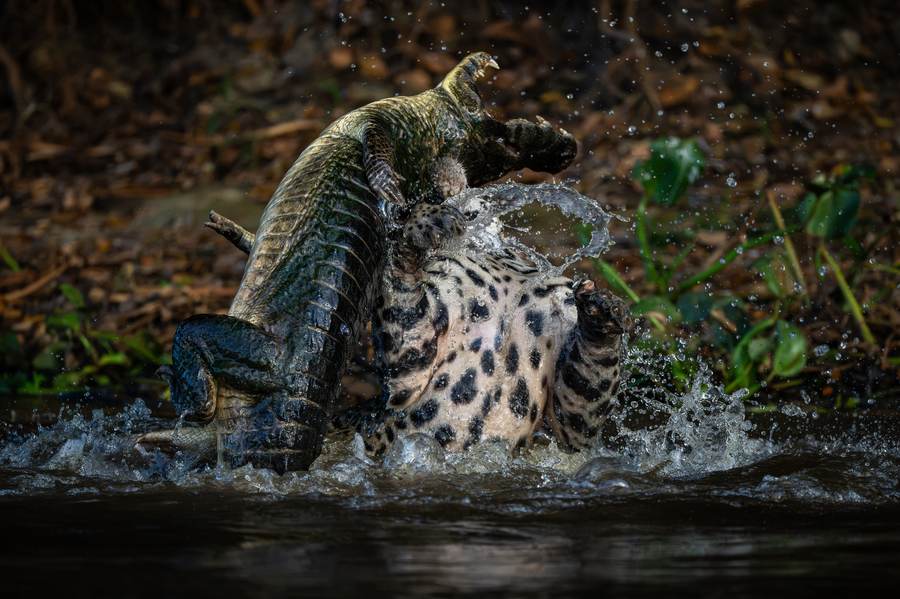
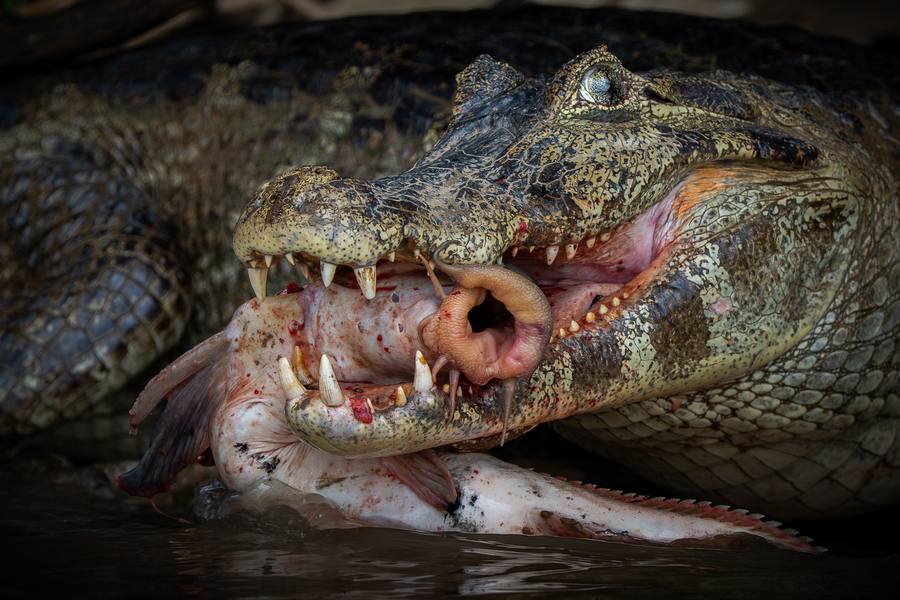
By the second half of the trip we'd lost count in the best possible way. A mother worked the bank with her cubs close behind, two young males wrestled and postured in the shallows just for the fun of it, and an old, well-known male who has fished this stretch of river for years worked a caiman patiently out of the reeds, in no rush at all.
|
|
|
|
|
It closed the way these trips often do, with something nobody expected. On the final morning, on the road back to Cuiabá, a Yellow Anaconda lay stretched across the open ground, in no hurry to move for anyone, one last reminder of how much this place still has to show you.
|
|
|
|
|
WHAT WAS IN THE BAG
|
Three bodies of work, one boat, no time to swap glass
|
|
|
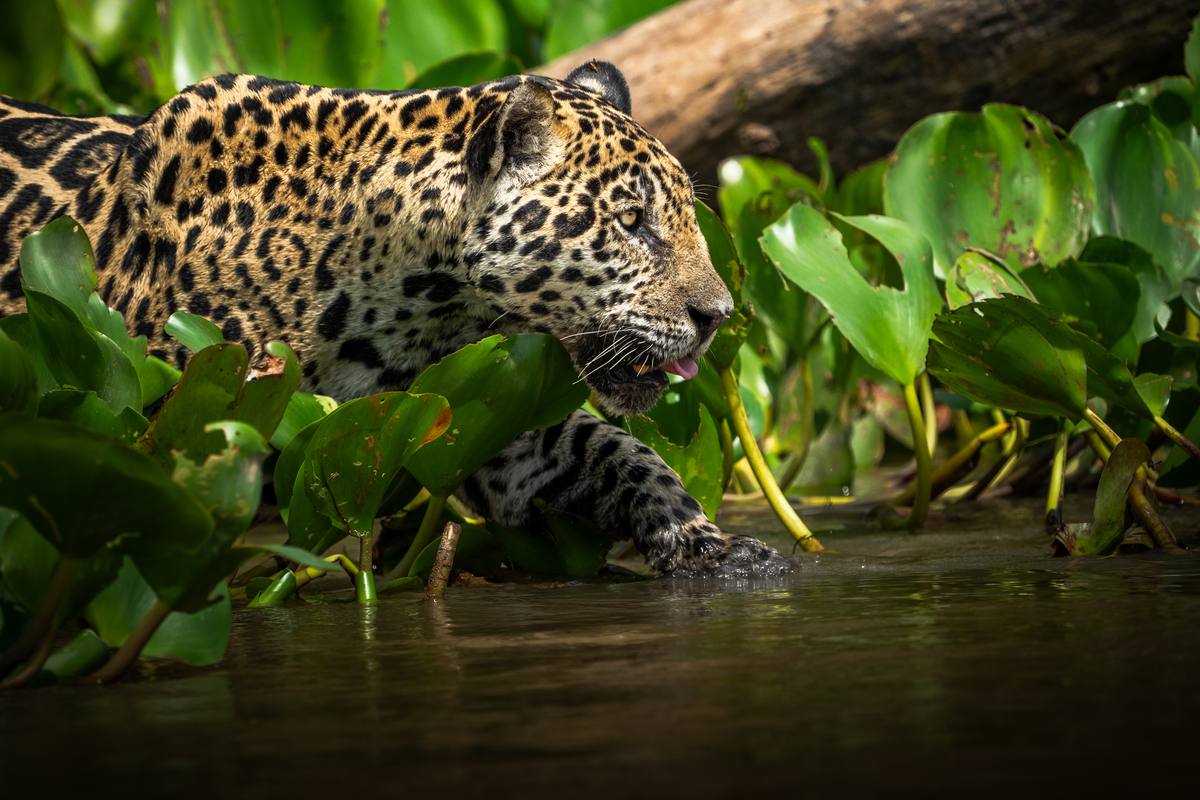
A jaguar on a riverbank doesn't wait for you to change lenses. Everything I carried on the boat had to earn its spot, and this trip is a good example of why.
|
|
BODY
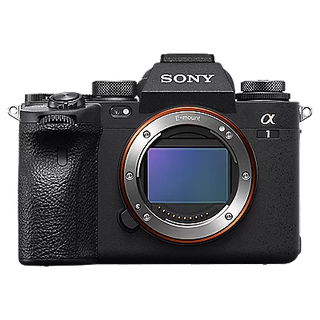
Sony a1
This is the body that made Sasika and Orieo mating, and Medrosa working the riverbank, usable frames instead of blur. Cats move without warning, and the a1's autofocus tracking and burst speed are what turn a two-second window into a sequence you can actually pick from.
|
|
|
TELEPHOTO
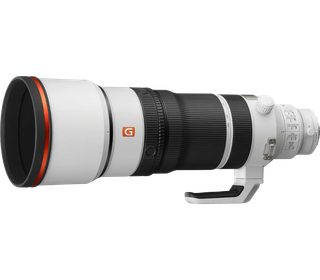
Sony 100-400mm F4.5-5.6 GM
Lived on the camera for almost the entire boat portion of the trip. Light enough to hand-hold through a full day on the water, long enough to close the distance on a cat lying up in the shade across the river, and sharp enough that portraits hold up printed large.
|
|
|
WIDE ZOOM
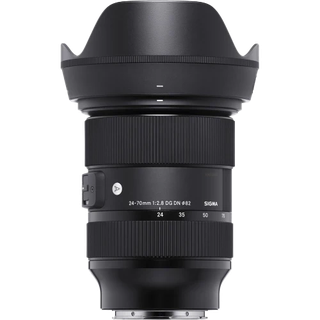
Sigma 24-70mm F2.8 Art
The lens for everything the telephoto can't do: the river at first light, the boat cutting through the channel, the group's reaction the moment a jaguar steps out of the tree line. The trip isn't only the animal in frame, it's the place around it, and this is what captured that.
|
|
|
|
|
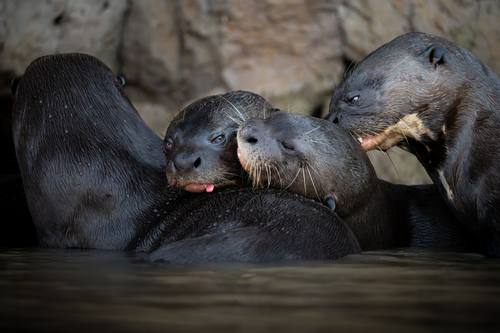
Giant River Otter
A full family group on the water, the world's largest otter species, loud and highly social.
|
|
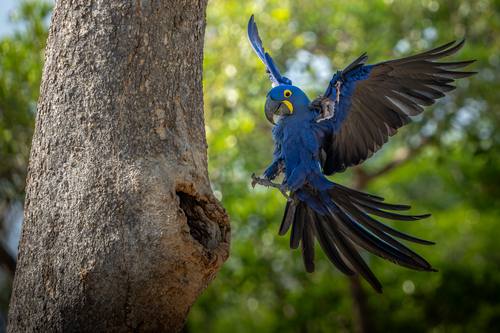
Hyacinth Macaw
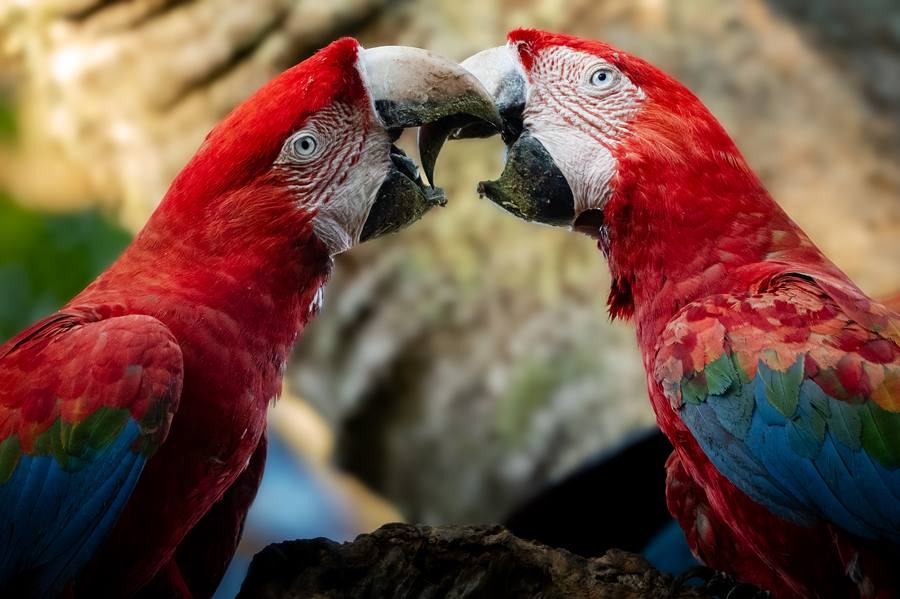
The world's largest parrot, two active nests found right on the lodge property.
|
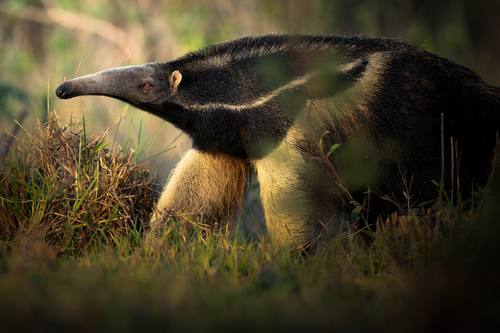
Giant Anteater
Three in one morning, using a two-foot tongue and knuckle-walking gait built for the job.
|
|
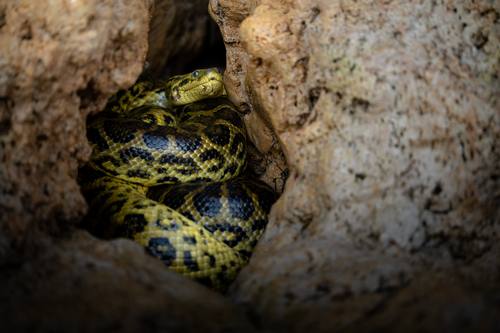
Yellow Anaconda
A last-morning surprise on the way out, rarely seen out in the open like this.
|
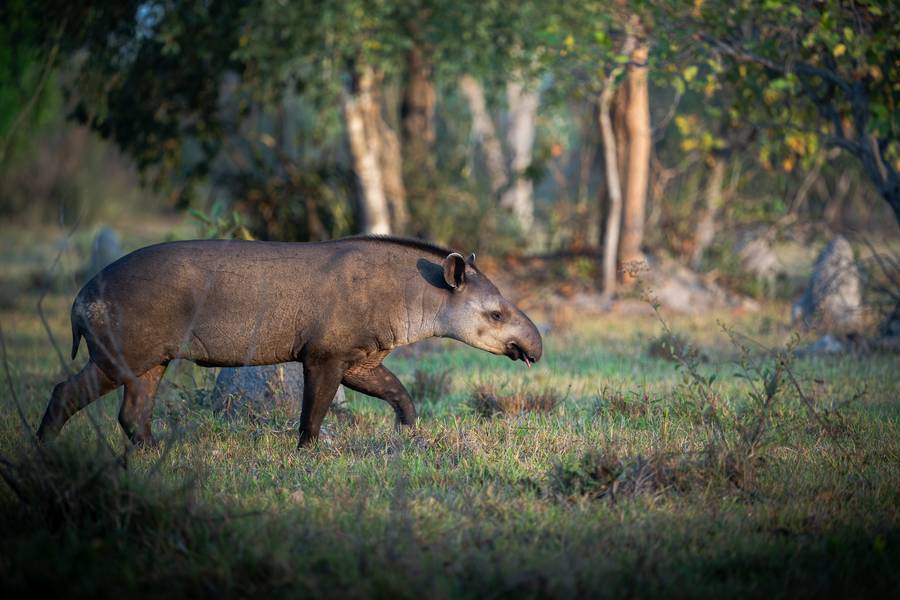
South American Tapir
The region's largest land mammal, with a flexible snout built for browsing and cooling off in the rivers.
|
|
|
|
|
THE FULL FIELD JOURNAL
|
Everything else that came home with us
|
|
Not every frame makes it into the main story, but they're worth a look. A run through the rest of what the week gave us, in no particular order.
|
|
|
| QUESTIONS | Pantanal jaguar photography: your questions | When is the best time to photograph jaguars in the Pantanal? | | The dry season, roughly July to October. As the floodplain drains, fish and caiman crowd into the rivers and the jaguars follow, hunting the banks where a boat can reach them. Our departures run in August and September for that reason. | How many jaguars will I see on a Pantanal photography trip? | | Nobody can promise a number with wild cats. On this eight-day departure we logged 25 sightings of 16 different jaguars, including a mating pair and a mother with cubs. | What lens do I need for jaguar photography? | | A 100-400mm lived on my camera for almost the whole boat portion of this trip. Add a 24-70mm for the river, the boat and the landscape around the cat. | How do you get to Porto Jofre? | | Fly into Cuiabá, then drive south into the Pantanal. We stop at Chapada dos Guimarães and Pousada Piuval on the way and base the boat days out of Porto Jofre. | How big is the group? | | Six photographers at most, so nobody fights for position on the boat. |
|
|
NEXT SEASON
|
This is what a week here actually looks like. Come see it yourself.
|
|
Two departures are open for next season, Aug 14–21 and Sep 2–9, eight days between Cuiabá and Porto Jofre at the heart of jaguar country. We cap every group at six travelers so nobody's fighting for position on the boat, and this year's dates are already moving faster than last year's did. If a week like this one is what you're after, this is the way to get it.
|
|
|
|
$550 deposit to hold your seat · Questions first? Message me on WhatsApp.
|
|
|
|
|