
Sarapiquí · 2027
*
Costa Rica · 11-day herping and macro tour
Costa Rica Herping and Macro Photography Tour 2027
PhotoLior field
The tour
Ten nights of herping across five very different habitats.
The trip starts with a night walk on the forest edge in the Escazú Mountains, then moves to the Caribbean lowlands of Sarapiquí, prime ground for frogs and macro subjects, and on to the reserve at Centro Manú.
From there we cross the Talamanca highlands to Pérez Zeledón for high-elevation specialists, including Atelopus, and finish on the Pacific coast in the mangrove channels of Sierpe.
Most days follow the same rhythm: a free morning to rest and review images, travel or a short drive, and a night session. Groups are capped at six photographers.
194
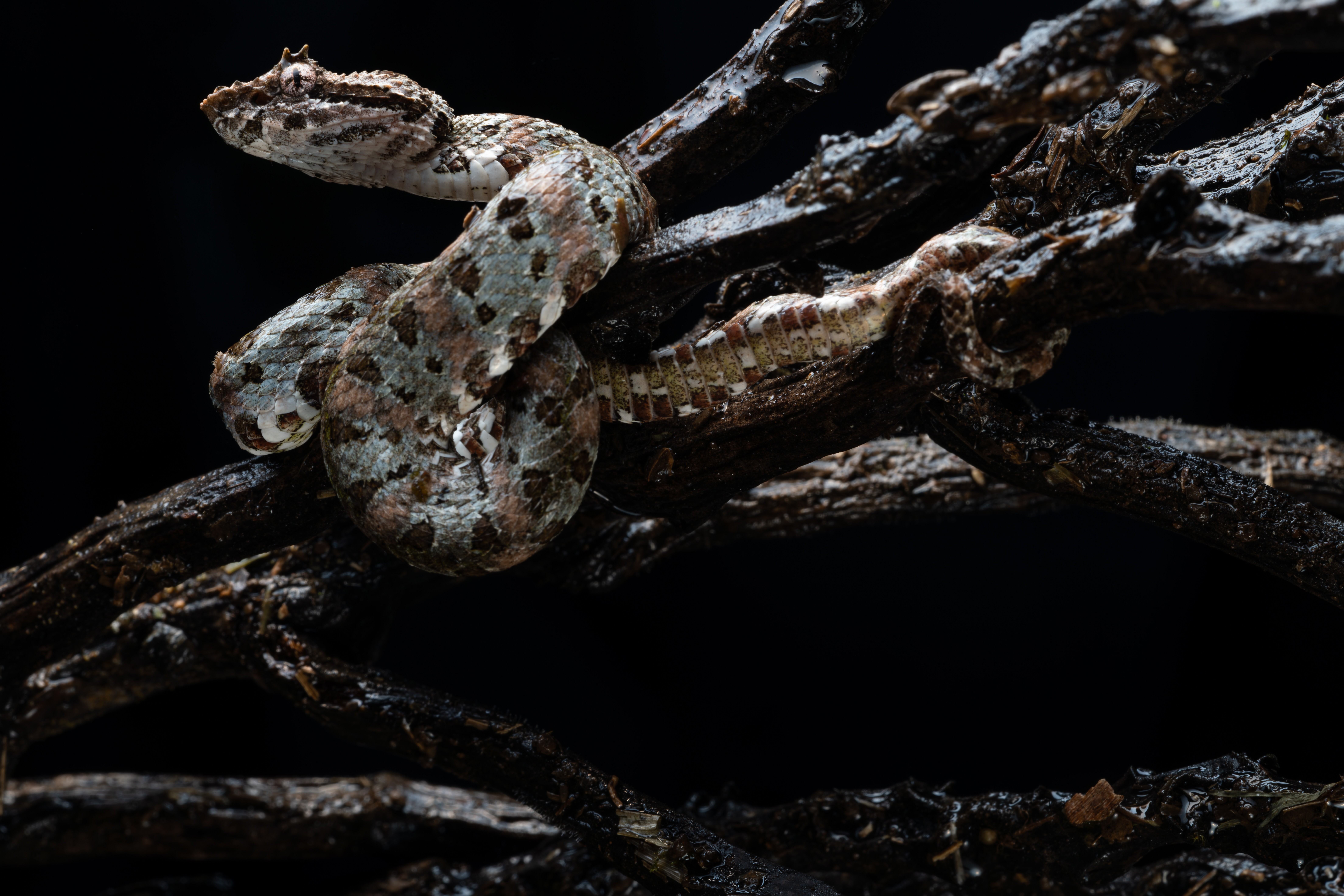
Red-eyed tree frog * Glass frogs * Eyelash viper * Atelopus * Poison dart frogs * Green basilisk * Rain frogs * Red-eyed tree frog * Glass frogs * Eyelash viper
The route
From the Caribbean lowlands to the Pacific mangroves
Five herping regions, ten nights in the field.
10°25′N 84°01′W · Sarapiquí
Day 1
Escazú
First night walk
Days 2 to 3
Sarapiquí
Caribbean lowland forest
Days 4 to 5
Centro Manú
Reserve trails at night
Days 7 to 8
Pérez Zeledón
Highland specialists
Days 9 to 10
Sierpe
Mangroves and rivers
Itinerary
Costa Rica herping itinerary, day by day
Day 1
Arrival and the Escazú Mountains
Arrive in San José and transfer to the Escazú Mountains. Welcome briefing, then our first night walk for amphibians and reptiles on the forest edge.
Days 2 to 3
Sarapiquí
Into the Caribbean lowlands. Rest in the afternoon, then night hikes through humid lowland forest, with a second session at a nearby site to build on the first night.
Days 4 to 5
Centro Manú
Evening walks targeting the reserve's frog and reptile diversity, with a second night on different trails.
Days 6 to 8
Talamanca highlands and Pérez Zeledón
Up through Cerro de la Muerte to Pérez Zeledón, home to some of the trip's most sought-after highland species. Two night sessions targeting Atelopus and other high-elevation species.
Days 9 to 10
Sierpe
Down to the Pacific coast for mangrove and river habitat, with two night sessions along the waterways.
Day 11
Departure
Transfer back to San José for your flight.
From
$3,850
per photographer
Dates
Jul 7 to 17, 2027
Duration
11 days, 10 nights
Group
Max 6 photographers
Deposit
$550
Reserve with a $550 deposit
Ask Lior on WhatsApp
Starts and ends in San José.
10
Nights in the field, Escazú to Sierpe


What you'll photograph
What you'll photograph
Frogs, reptiles and macro subjects across five habitats.
Atelopus varius is listed as Critically Endangered

One of the high-elevation targets for our two night sessions in Pérez Zeledón.
Atelopus

Frogs
Sarapiquí and Centro Manú

Reptiles
Night walks on the route

Highland species
Pérez Zeledón

Wetland species
Sierpe mangroves
When to go
Best time for herping in Costa Rica
July is in Costa Rica's green season, when regular rain keeps frogs active and calling at night. Wet nights mean more activity along streams and in the understory, which is exactly when we go out looking.
Green season: May to November
Our 2027 departures
Jan
Feb
Mar
Apr
May
Jun
Jul
Aug
Sep
Oct
Nov
Dec
Rain and frog activity
Dry season, fewer frogs calling
Rains starting or easing
Green season, wet nights

Piquiri River · 2026
Sony 100-400mm GM
In the field
How we photograph frogs and reptiles at night
Night herping is slow work with a headlamp and a macro lens. We find animals on natural perches and photograph them where they are, with off-camera flash and diffusion so the light stays soft.
Handling is kept to a minimum. Chytrid fungus is a leading cause of amphibian decline in Costa Rica, so we clean boots and gear between sites.
What Lior shoots with
Main lens
90-105mm macro
Working distance for frogs without disturbing them.
Flash
Off-camera flash with diffuser
Soft light on wet, reflective skin.
Light
Headlamp with a red mode
For searching at night with less disturbance.
Dates and price
2027 departures, price and what is included
$3,850 per photographer, with a $550 deposit to hold your seat.
*
$550
Holds your seat
Jul 7 to 17, 2027
11 days, 10 nights · San José to San José
$3,850
$550 deposit
Reserve
Included
10 nights lodging
All meals
Photography guide
Private 4x4 transport
Private access to herping sites
Not included
International and domestic flights
Travel insurance
Alcoholic drinks
Gratuities
Personal expenses
Is it for you
Six photographers, at most
Small groups mean less noise on the trail and more time with each subject.
Built around the night
Free mornings to rest and review, so you are fresh for every night session.
Private access
Night sessions run on private sites and reserve trails along the route.
“
Everything he told us we might see, we saw. This is our second trip with Lior.
Glenn O

* Your guide
Lior Berman
FAQs
Costa Rica herping tour questions
Anything else? Message Lior directly.
Fastest answer
Ask Lior on WhatsApp
Where does the tour start and end?
−
In San José, Costa Rica. On day 1 we transfer to the Escazú Mountains, and on day 11 we transfer back to San José for your flight.
What is a normal day like?
−
Mornings are free to rest, review images or explore the lodge. Afternoons are for travel or rest, and the main session runs at night.
How many photographers are on the trip?
−
Six at most.
What is included in the price?
−
10 nights of lodging, all meals, your photography guide, private 4x4 transport and private access to the herping sites. Flights, travel insurance, alcohol, gratuities and personal expenses are not included.
How do the deposit and payment work?
−
A $550 deposit holds your seat. Message me on WhatsApp for the payment schedule.
More photography tours
Keep shooting with PhotoLior

Ecuador
Ecuador Bird Photography Tour 2027
11 days · May 18 to 28, 2027 · From $3,850
View the tour →

Costa Rica
Costa Rica Coast to Cloud Forest Photography Tour 2027
11 days · Nov 26 to Dec 6, 2027 · From $5,550
View the tour →

Panama
Bocas del Toro Poison Frog Photography Tour 2027
6 days · Mar 29 to Apr 3, 2027 · From $2,300
View the tour →

Costa Rica
Costa Rica Bird Photography Tour 2027
11 days · Apr 19 to 29, 2027 · From $4,250
View the tour →

Brazil
Pantanal Jaguar Photography Tour 2027
8 days · Aug and Sep 2027 · From $5,150
View the tour →
*
2027
July
One departure. Six seats.
Jul 7 to 17, 2027. From $3,850, with a $550 deposit to hold your seat.
Reserve your seat
Ask Lior on WhatsApp
